

🇹🇭 Thailand Summer Teach Program (with In-Country TESOL Certification)
🌏 Program Overview
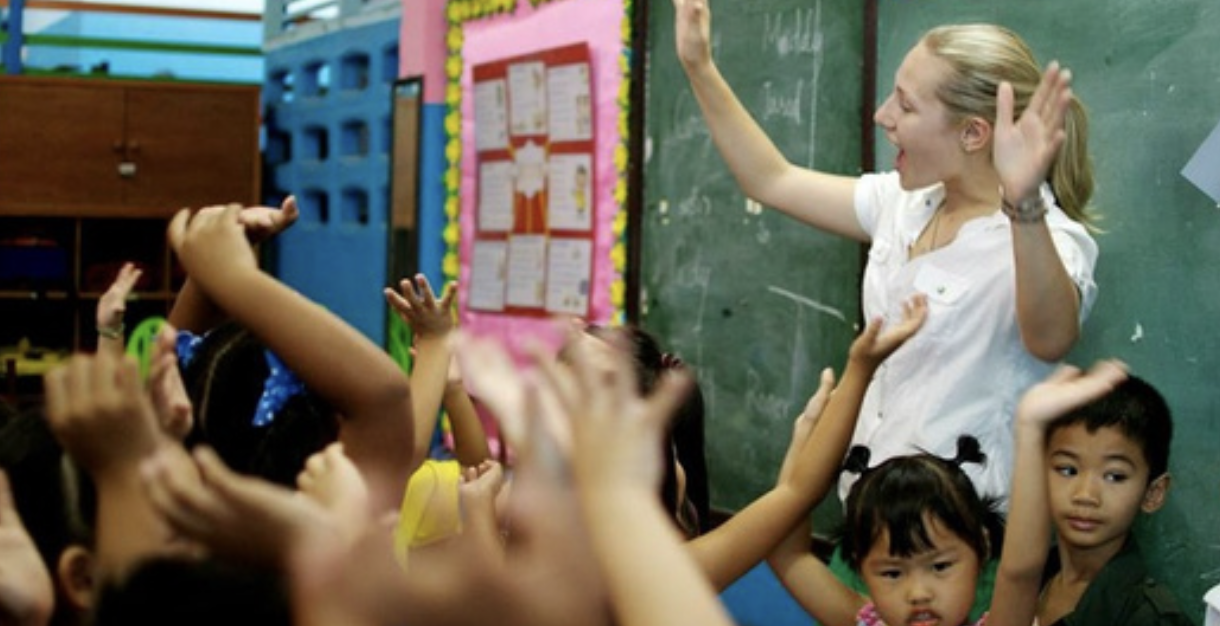
A 10-week paid summer teaching program in Thailand for undergraduate students. The program combines in-country orientation, a 120-hour in-class TESOL certification, and a guaranteed paid teaching placement, along with housing, cultural immersion, and ongoing teacher support. Participants gain real classroom experience in Thai schools while earning a stipend.
The Full Package
$2,700 USD (Other currencies are accepted)
⭐ Key Highlights
- ✅ Guaranteed teaching placement
- 💰 4,000 THB stipend per week during the teaching placement
- 🏠 Free shared accommodation for the entire 10 weeks
- 🗓️ All Thai public holidays off
- 🎓 120-hour in-class TESOL certification (Level 5 equivalent)
- 🧑🏫 Ongoing teacher support during placement
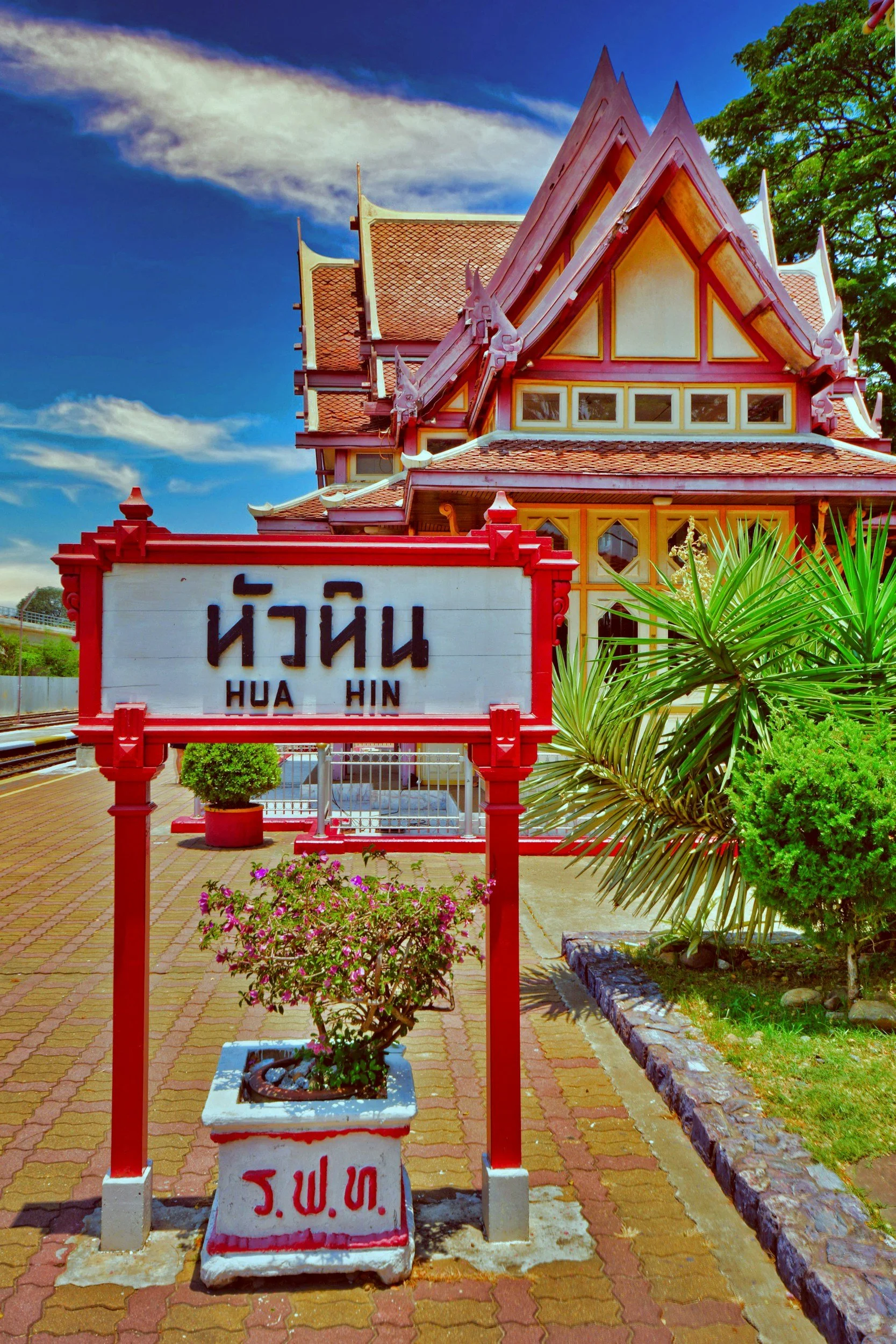
- 🌴 Front-loaded training and orientation in Hua Hin, Thailand
🧭 Full Program Structure (10 Weeks)
Week 1 – Orientation
- Cultural orientation
- Thai language basics
- Classroom expectations in Thailand
- Health, safety, and cultural briefings
Weeks 2–4 – TESOL Course
- 120 hours of in-class TESOL training
- Lesson planning and presentation skills
- Classroom management techniques
- Teaching grammar, reading, writing, speaking, and listening
- Teaching young learners and large classes
- Adapting lessons for Thai schools
- Observed teaching practice and feedback
- 8–16 hours of practical teaching at a nonprofit English camp in a Thai school
Weeks 5–10 – Paid Teaching Placement
- 6-week teaching placement at a vetted Thai school
- Weekly stipend of 4,000 THB
- Shared accommodation near the placement
- Ongoing local support
🎓 TESOL / TEFL Certification Details
- 📘 120-hour in-class TESOL course
- 🏅 Level 5 equivalent certification
- 🧠 Mix of theory and practical instruction
- 🎤 Live lesson planning and teaching demonstrations
- 📝 Individual feedback from trainers
- 🏫 Designed specifically for Thai classroom contexts
- 🌐 Includes a 40-hour online cultural foundation course
🎒 What’s Included
- ✈️ Airport pickup on arrival
- 🏡 Shared accommodation during:
- Orientation
- TESOL course
- Teaching placement
- 🎓 120-hour in-country TESOL certification
- 🌏 1-week cultural and language orientation
- 🧑🏫 Teaching resources and starter pack
- 🛂 Visa guidance and support
- 🔍 Background checks on assigned schools
- 📚 Online teacher resources
- ♾️ Lifetime placement support (across eligible countries)
❌ What’s Not Included
- ✈️ International flights
- 🛂 Visa fees
- 🩺 Medical and travel insurance
- 🍽️ Meals
- 🚌 Daily transportation, including travel to job interviews
- 🎉 Personal spending and entertainment
👤 Eligibility Requirements
🎓 Currently enrolled student (any field of study); inquire if graduate
🗣️ Native English speaker or non-native with C1-level English
- 💪 Good physical and mental health
- 🎂 Ages 20–50
- 💵 Sufficient funds to cover:
- Program fees
- Living costs
- Personal expenses
- 🌎 Passport holder from:
- USA
- Canada
- UK
- Ireland
- European Union
- Australia
- New Zealand
- South Africa
🖋️ Tattoo Disclosure Policy (Thailand)
All participants must disclose any and all tattoos during the application process.
- 📋 This includes visible and non-visible tattoos
- ⚖️ Tattoos are reviewed on a case-by-case basis by local partners and schools
- 👀 Minor, visible tattoos may be acceptable, depending on the school
- 🛕 No visible tattoos of Buddha are permitted under any circumstances
- 👕 Participants may be required to cover tattoos while teaching
- ❗ Failure to fully disclose tattoos in advance may limit placement options, cause delays, or result in placement denial
Full and honest disclosure ensures appropriate school matching and helps avoid cultural or professional issues after arrival.
🎎 Cultural Immersion & Activities (Examples)
- 🍜 Thai cooking class
- 🥊 Muay Thai training session
- 🗣️ Thai language lessons
- 🛕 Temple visit and monk-led meditation
- 🐘 Animal rescue or community volunteering
- 📖 Thai history, culture, and politics talks
- 🎉 Welcome dinner and beach barbecue
🗓️ Program Dates
- May–July 2026 (10 weeks)
- May–July 2027 (10 weeks)
📍 Location
- Orientation and TESOL course held in Hua Hin, Thailand
- Teaching placements located across Thailand
✨ In Summary
A fully supported, paid summer teaching experience in Thailand for undergraduates, combining professional TESOL certification, real classroom experience, housing, cultural immersion, and long-term placement support. Ideal for students interested in education, international experience, gap years, or future teaching abroad.
🇹🇭 FREQUENTLY ASKED QUESTIONS
💸 1) What are typical living expenses per day?
Plan on ฿100 per meal, including a drink. Local Thai food is often cheaper, typically ฿30–฿60 per meal.
🍽️ 2) Do schools provide lunch?
Some schools do, but not all. This depends on the individual school and its policies.
🚌 3) What is the cost of transport?
- 🚕 Taxis: ฿60–฿200 for a 15–30 minute trip
- 🏍️ Motorbike taxis: around ฿50
- 🚐 Songtaews (shared trucks): ฿10–฿30 per trip and usually follow set routes
Songtaews are generally the cheapest option.
🏫 4) Is transportation from accommodation to work included?
Occasionally schools assist with transportation, but this is rare. Fortunately, public transport in Thailand is reliable and affordable.
🛡️ 5) How safe is Thailand?
As with anywhere, staying alert is recommended. Overall, Thailand is considered a very safe country, including for solo men and women.
👶 7) What age groups will I be teaching?
Anywhere from kindergarten to high school. Preferences are considered, but placements with a specific age group cannot be guaranteed.
⏰ 8) What are the working hours and days?
- 🗓️ Typically Monday–Friday
- ⏱️ About 8 hours per day at school
- 📚 Around 4–5 classroom teaching hours
- 🕢 Common hours: 7:30 AM – 4:00 PM, including a 1-hour lunch
Occasional participation in events outside these hours may be required.
⚽ 9) Are there after-school sports or activities I must teach?
This depends on the school. Most after-hours activities are voluntary, but teachers are usually expected to attend occasional concerts, festivals, or school events.
✈️ 10) Can I travel in Thailand after my contract ends?
Yes. You may stay and travel as long as your visa status remains legal.
🛂 13) What type of visa will I arrive on?
This depends on your nationality.
- Some participants may obtain a Non-Immigrant B visa
- Others may need to enter on a tourist visa
Local partners will provide guidance based on your situation.
🎉 14) Are there organized evening or weekend activities?
Evenings and weekends are usually free. Local partners host optional meetups throughout the year across Thailand, offering chances to reconnect with friends and meet other teachers.
🗣️ 15) Will I receive language lessons? How will I understand students?
Yes. During orientation you’ll receive introductory Thai language lessons. Gestures and visual cues are essential in the classroom. While student English levels may be lower than expected, communication improves quickly over time.
📍 16) Where is the best place to work?
There is no single “best” place—it depends on personal preference. Both urban and rural placements offer unique benefits.
💼 17) Is it possible to take a second job to earn more money?
Yes. Many teachers take on additional English tutoring or side work. In some cases, participants can significantly increase their income, though this should be handled carefully and legally.
👮 18) What are the authorities like?
Authorities are generally professional and helpful. Treat them with respect, as you would in your home country.
🏥 19) Medical services and insurance?
Participants must have comprehensive travel/medical insurance for the entire stay, arranged before departure. Insurance provided by schools (if any) is usually very basic and not sufficient for quality medical care.
📶 20) What is phone and internet connectivity like?
- 📡 WiFi can be inconsistent
- 📱 Mobile data is cheap, fast, and reliable
Local partners will provide a Thai SIM card on arrival and help you get set up within the first few days.
🔄 22) What if I’m unhappy in my job—can I change schools?
Yes, though it’s uncommon. If there’s a valid reason, Local partners can assist with a move. Transfers take time and require patience and flexibility.
👔 23) What is the dress code for teaching?
- 👨 Men: Smart trousers and collared shirt (tie sometimes required)
- 👩 Women: Skirt with blouse, dress, or (in some schools) trousers
Dress codes vary by school—plan to dress professionally.
📄 25) Do teachers need a CV?
Yes. Your CV must be prepared using the Local partners’ template and submitted before arrival.
⚖️ 26) Are there any laws that are strictly enforced?
Yes. Thailand has zero tolerance for:
- 🚫 Drug possession
- 🚫 Negative remarks about the Royal Family
❤️ 27) Can couples be placed together?
Sometimes. Couples may not always be placed at the same school but may be in the same town or area. Flexibility is essential.
📚 28) What is the English level and behavior of students?
English proficiency is generally beginner level, varying by region. Thai students are typically polite and well-behaved.
📘 29) What curriculum will I teach?
There is no standardized national curriculum for English. Each school follows its own curriculum and teaching approach.
🗨️ 30) Will my colleagues speak English?
Yes, though sometimes only at a basic or intermediate level.
♿ 31) Will I work with special needs students?
Possibly. Special needs students are often integrated into regular classrooms and may not be formally classified.
💵 32) Can schools deduct security money from salary?
In rare cases, schools may hold a small amount in escrow until the contract ends to discourage early departure.
⏱️ 34) Will I be paid overtime?
No. Overtime pay is not standard.
🌏 36) Can I teach in neighboring countries afterward?
Yes. Local partners work across multiple Asian countries and can assist with next steps if you want to teach elsewhere.
📚 37) Are teaching materials provided?
Usually yes, but not always. This depends on the school.
🏖️ 38) When are school holidays?
Government schools typically close:
- 🗓️ October: ~1 month
- 🗓️ March–April: ~2 months
🏫 39) What’s the difference between school types?
- 🏫 Government schools, private schools, language schools, and universities vary in:
- Start times
- Salaries
- Holiday schedules
Language schools usually do not have long holidays.
⌛ 40) Can I choose part-time or full-time work?
Most positions are full-time.
🛕 41) Is religion a big issue?
No, but it’s important to be respectful of all religions at all times.
❗ 42) What if I lose my job?
If termination is due to poor conduct, Local partners may no longer assist with placement.
🎒 43) Do I work during school holidays?
Usually no, but some schools may ask teachers to help with English camps or activities.
🚰 44) Can I drink tap water?
No. It’s recommended to drink bottled water, which is cheap and widely available. Accidental exposure (e.g., brushing teeth) is not a concern.